
Favorite Tools For Installing Lawn Drainage Systems
Choose from trusted tools and supplies that simplify the installation process and ensure long-lasting results.
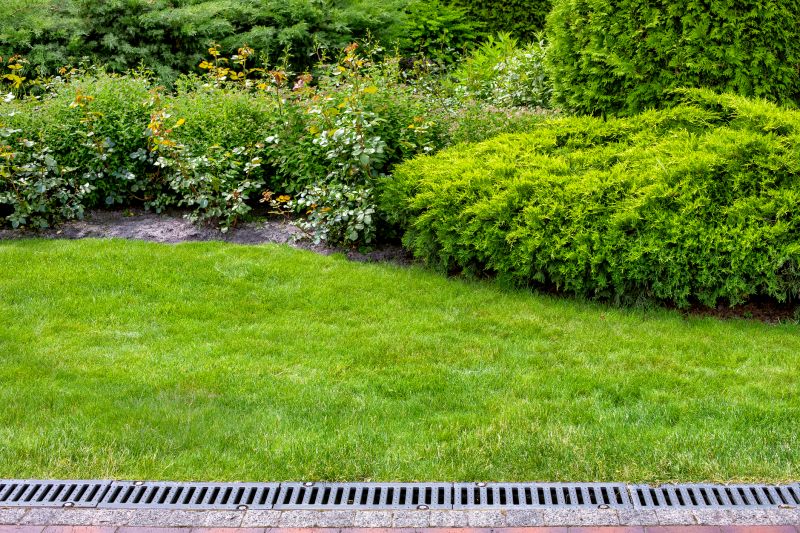 Effective lawn drainage is essential for maintaining a healthy and functional outdoor space, especially in areas prone to water accumulation or poor runoff. Proper drainage solutions help prevent water pooling, soil erosion, and damage to lawn structures. When selecting products for lawn drainage installations, it is important to consider the specific needs of the site, including soil type, slope, and water flow patterns. A well-designed drainage system can improve lawn appearance, reduce maintenance issues, and promote healthier turf growth.
Top Overall Option
Flexible Perforated Drain Pipe
A versatile and adaptable drainage pipe designed to efficiently channel water away from problem areas, suitable for various landscape conditions. Its flexibility allows for easy installation around curves and obstacles, making it a popular choice for many lawn drainage projects.
Types of Products For Lawn Drainage Installations
Perforated Drain Pipe
Flexible or rigid pipes with perforations that allow water to enter and be directed away from the lawn, ideal for underground drainage systems.
Catch Basins
Surface-level containers that collect runoff water and direct it into underground pipes, preventing pooling and erosion.
Drain Grates
Protective covers that sit over catch basins or drainage channels, allowing water to flow in while keeping debris out.
French Drains
Underground trench systems filled with gravel and perforated pipe that redirect water away from problem areas.
Surface Drain Channels
Open channels that facilitate quick runoff of surface water, often made from plastic or metal.
Drain Tiles
Corrugated or smooth pipes used to drain excess water from soil, often installed underground.
Sump Pumps
Mechanical devices that pump out accumulated water from basements or low-lying areas to prevent flooding.
Water Diverters
Devices designed to redirect runoff water away from specific areas or structures.
Soil and Gravel Fill
Materials used to fill trenches and improve drainage around pipes and channels.
Landscape Fabric
Permeable fabric used to prevent soil from clogging drainage systems while allowing water flow.
Waterproof Membranes
Barrier materials used in drainage systems to prevent water seepage into unwanted areas.
Flexible Corrugated Pipes
Durable pipes that bend easily, suitable for complex landscape contours and tight spaces.
Inlet Filters
Filters placed at drainage entry points to prevent debris from clogging pipes or catch basins.
Drainage Sleeves
Protective coverings for pipes that prevent soil infiltration and damage.
Flexible Surface Drains
Adjustable surface drainage solutions that can be customized to fit specific landscape needs.
Popular Choices
Widely used for underground drainage, offering flexibility and ease of installation.
Commonly installed in areas with surface runoff to prevent pooling.
Frequently chosen for surface drainage to keep debris out of the system.
Popular for redirecting groundwater away from foundations or low spots.
Effective for managing surface water in driveways and walkways.
Commonly used in agricultural or large-scale landscape drainage projects.
Effective in directing runoff away from structures or problematic areas.
Utilized in many drainage installations for effective water flow management.
Popular for lining trenches and preventing soil clogging.
Preferred for complex installations due to their flexibility and durability.
Commonly used to maintain system flow and prevent clogging.
Often selected for added pipe protection in harsh conditions.
Lawn drainage products come in various forms, each suited to different installation requirements and landscape conditions. From underground piping systems to surface drainage solutions, there are options to address both minor and major water management challenges. Installing the right combination of these products can ensure water is directed away from problem areas efficiently and reliably.
Understanding the key features and functions of each product type helps in making informed decisions. For example, flexible pipes are easy to install and adapt to irregular terrains, while catch basins and grates are effective for collecting surface runoff. Incorporating these components into a comprehensive drainage plan can significantly improve water management and prevent future issues. Proper installation and maintenance are crucial to ensure the longevity and effectiveness of the drainage system.
Whether for a small residential yard or a larger landscape project, selecting the appropriate drainage products requires careful consideration of the site conditions and intended outcomes. Consulting with landscape professionals or drainage specialists can provide additional insights into optimal configurations. Ultimately, investing in quality drainage products can lead to a more resilient and visually appealing lawn, free from water-related problems.
Key Buying Considerations
- Assess the volume and flow rate of water in the area to determine appropriate capacity.
- Consider the soil type and drainage capacity to select suitable products.
- Evaluate the landscape slope to ensure proper water flow direction.
- Decide between underground or surface drainage solutions based on site needs.
- Choose durable materials that can withstand local weather conditions and soil pressure.
- Ensure compatibility of components if combining different product types.
- Check for ease of installation and whether professional help is recommended.
- Look for products with adequate perforations or openings for water entry.
- Consider maintenance requirements and accessibility for cleaning or repairs.
- Account for future expansion or modifications in the drainage system.
- Select components that prevent debris entry and clogging.
- Determine the appropriate size and length of pipes and channels for your project.
- Review product warranties or guarantees for quality assurance.
- Prioritize products that facilitate efficient water redirection without causing erosion.
- Plan for aesthetic integration with existing landscape features.