Lawn Drainage Installation Solutions
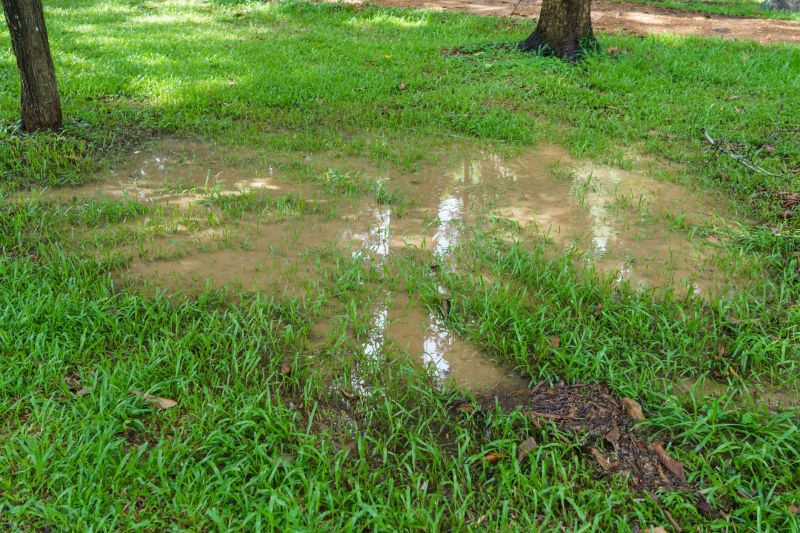
Installing drainage systems in early spring allows for optimal soil conditions and minimizes disruption during peak growth periods.
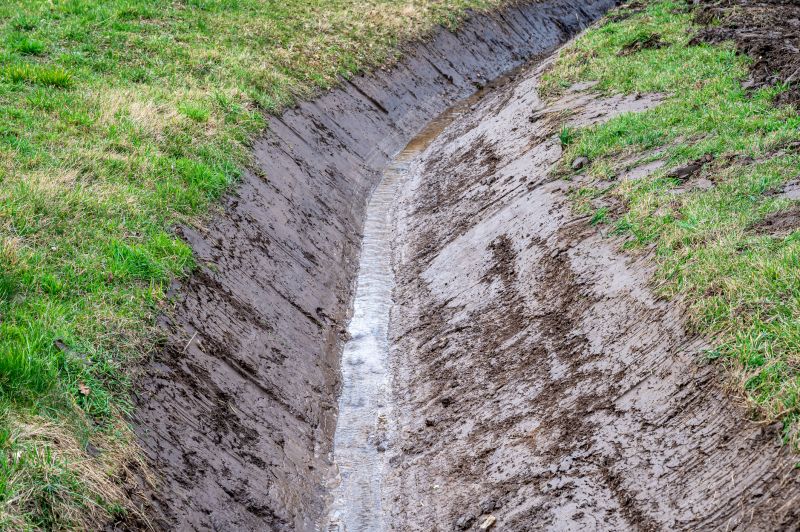
Late fall work can be effective as soil is still workable, and it prepares the lawn for the upcoming growing season.
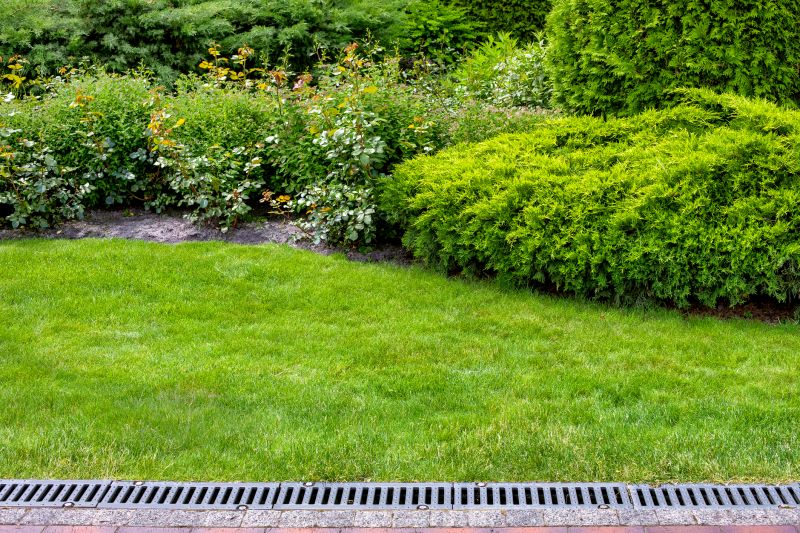
Summer installations are possible but require careful planning to avoid heat stress on the lawn and ensure proper curing.
Winter is generally not ideal due to frozen ground and limited access, but in milder climates, it may be feasible.
The best time aligns with periods of moist, workable soil to facilitate installation and ensure proper drainage performance.
Avoid installation during heavy rain or drought conditions, as they can hinder proper setup and soil stability.
Lawn drainage installations involve the strategic placement of systems designed to redirect excess water away from the lawn, preventing pooling and soil erosion. Proper drainage is essential for maintaining healthy turf, reducing waterlogging, and preventing damage to landscaping structures. Effective drainage systems can include French drains, surface drains, or subsurface piping, tailored to the specific needs of the property.
Statistics indicate that poorly drained lawns can experience up to 70% more soil erosion and increased turf disease. Installing drainage systems can significantly improve water runoff management, leading to healthier lawns and reduced maintenance costs. The timing of installation plays a crucial role in ensuring the longevity and performance of these systems, with optimal periods aligning with soil conditions and weather patterns.
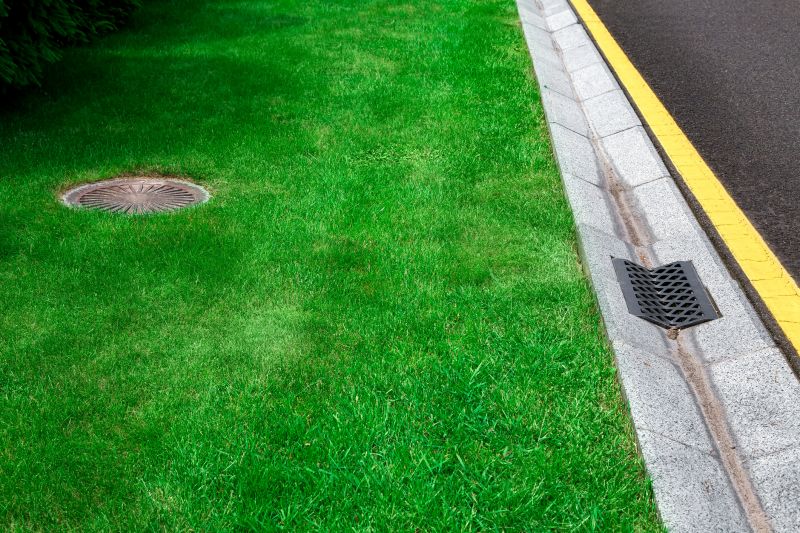
A professionally installed drainage system effectively manages excess water, preventing pooling and turf damage.
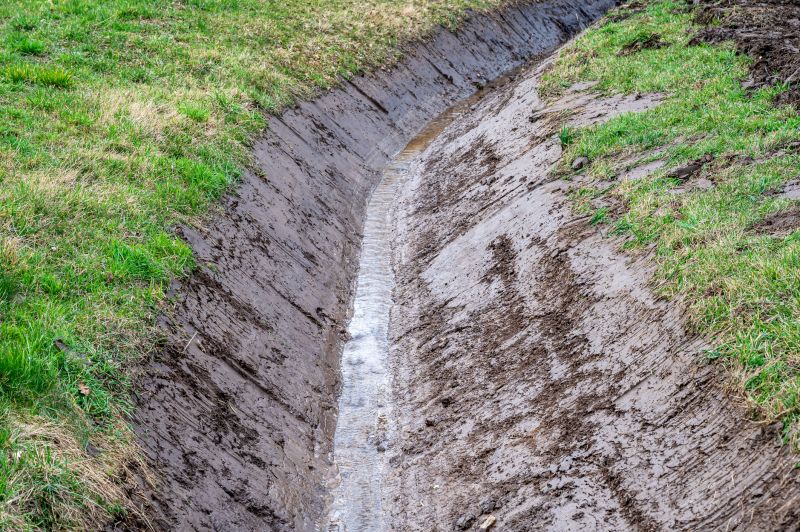
Proper soil preparation enhances the effectiveness of drainage installations and promotes quick turf recovery.
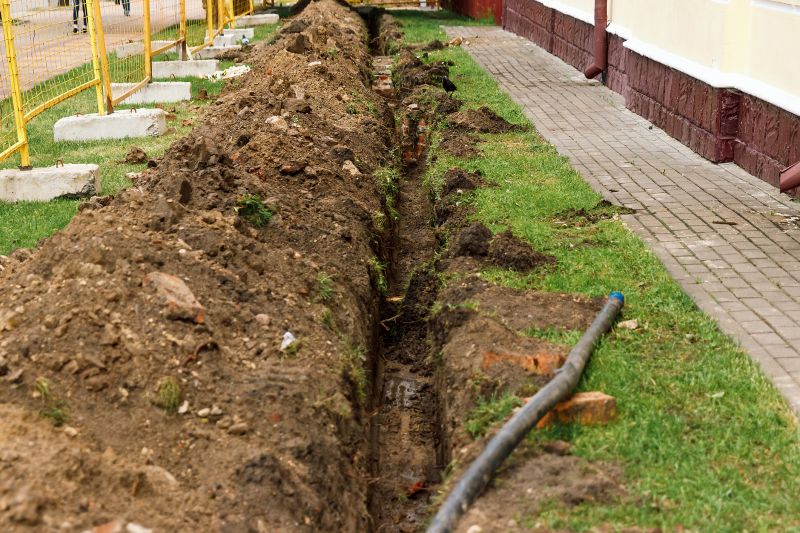
French drains are a common method for redirecting water away from problem areas in lawns.
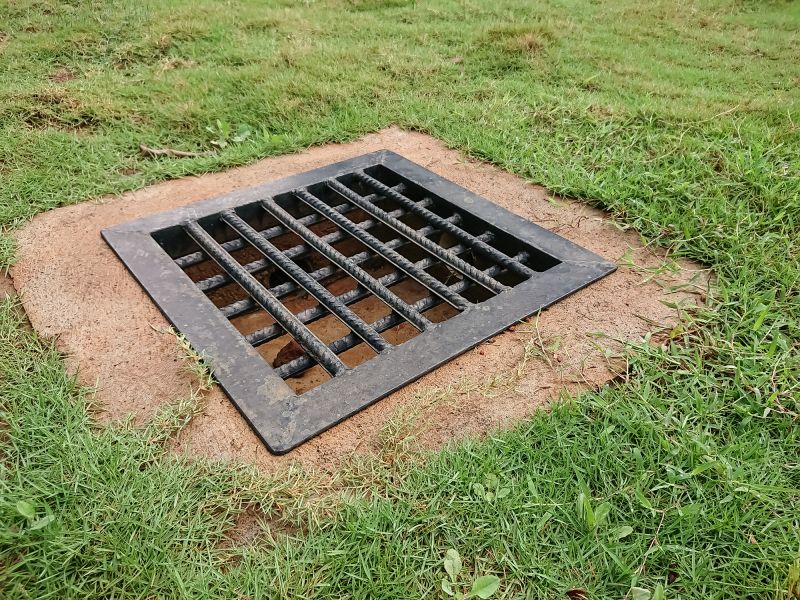
Surface drains help collect and channel water from the lawn's surface, especially in low-lying areas.
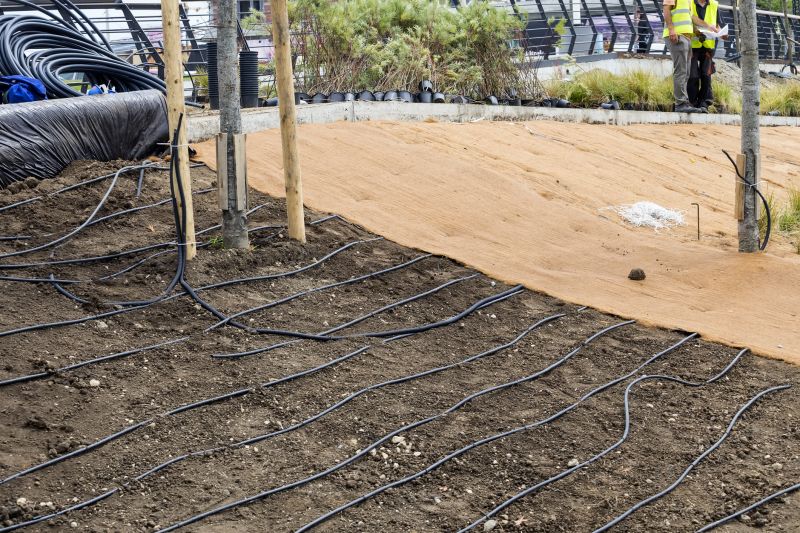
Subsurface piping systems are installed beneath the surface to provide long-term drainage solutions.
| Season | Advantages |
|---|---|
| Spring | Allows for soil to settle and reduces turf disturbance during active growth. |
| Summer | Can be done with proper planning to avoid heat stress. |
| Fall | Prepares lawn for winter and promotes early turf recovery. |
| Winter | Typically not recommended due to frozen ground and limited access. |
| Ideal Conditions | Moist, workable soil with moderate weather. |
| Avoid Conditions | Heavy rain or drought periods that hinder installation. |
Choosing the appropriate time for lawn drainage installation depends on soil moisture, weather conditions, and the specific drainage system used. Proper timing ensures the system functions efficiently, extends its lifespan, and minimizes turf disturbance. Consulting with a drainage specialist can help identify the best window for installation based on local climate patterns.
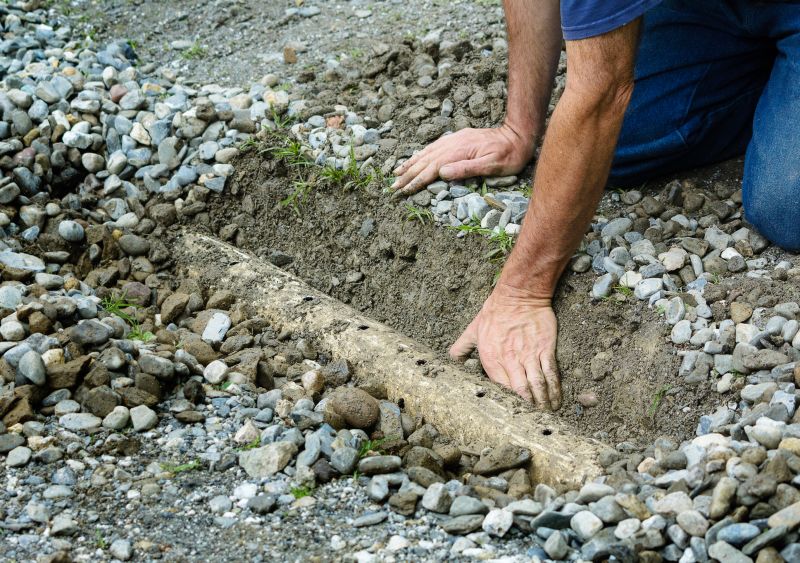
Detailed view of a French drain system installed beneath the lawn.
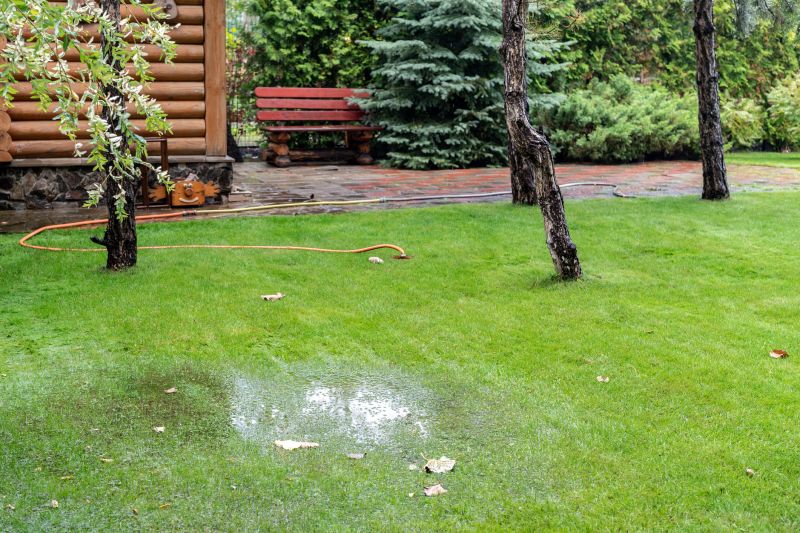
Comparison showing the lawn's improved water flow after drainage installation.
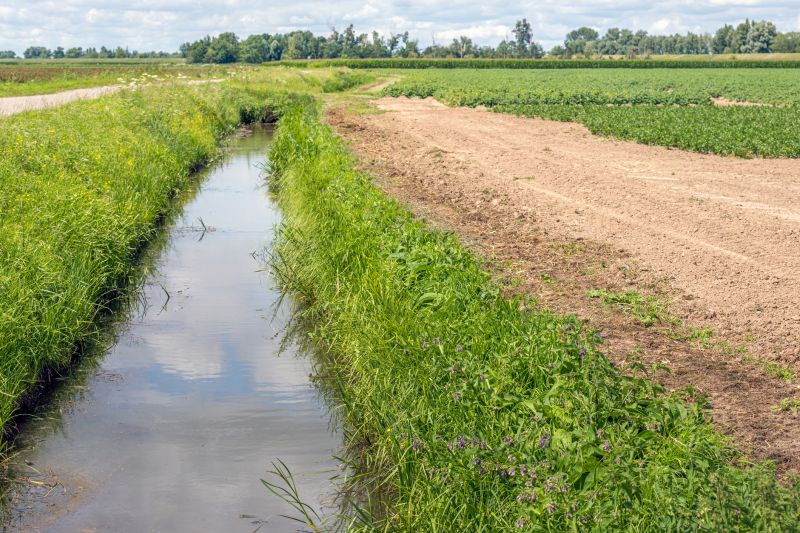
Designing an effective drainage layout tailored to the property’s needs.
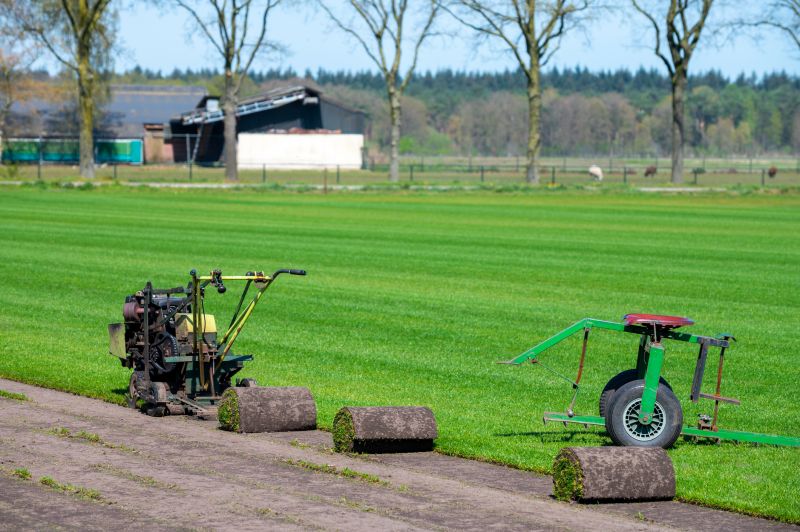
Tools and materials used in professional drainage system installation.
Interested parties are encouraged to contact for more information about lawn drainage installation options and scheduling. Proper timing and installation techniques can significantly improve lawn health and water management.
Ways to make Lawn Drainage Installations work in tight or awkward layouts.
Popular materials for Lawn Drainage Installations and why they hold up over time.
Simple add-ons that improve Lawn Drainage Installations without blowing the budget.